
Exploring Morocco can be a thrilling experience, with its rich culture, vibrant cities, and breathtaking landscapes. However, navigating the transportation options can be daunting, especially for first-time travelers.
To make your journey smoother, we’ve compiled essential Morocco transfer tips to help you get around efficiently. From bustling cities like Marrakech to serene coastal towns, understanding your transportation options is key to enjoying your trip.
Whether you’re looking for convenient Morocco transportation or seeking Morocco travel tips to enhance your adventure, this guide is designed to provide you with valuable insights.
Key Takeaways
- Understand the various transportation options available in Morocco.
- Learn how to navigate through cities like Marrakech and Fez.
- Discover the best ways to travel between towns and cities.
- Get tips on how to make your Morocco travel experience smoother.
- Find out how to choose the most convenient transportation methods.
Getting Around Morocco: What to Know Before You Go
Before traveling to Morocco, it’s essential to understand the country’s transportation landscape. Morocco offers a diverse range of transportation options, making it relatively easy to get around.
Understanding Morocco’s Transportation Infrastructure
Morocco’s transportation infrastructure is a mix of modern and traditional systems. The country has a well-developed rail network connecting major cities like Marrakech, Rabat, and Fez. The ONCF train network is efficient and comfortable, making it a popular choice for both locals and tourists.
Best Seasons for Easier Travel in Morocco
The best time to travel in Morocco is during the spring (March to May) and autumn (September to November). These seasons offer pleasant weather and fewer crowds, making travel more comfortable.
Essential Travel Apps and Websites for Morocco
To navigate Morocco’s transportation system, several travel apps and websites can be very helpful. Apps like MoorTours and websites such as Google Maps can assist in planning your journey and finding the best routes.
Airport to City Morocco Transfer Tips
The journey from Morocco’s airports to the city centers can be challenging, but with the right tips, travelers can make it a breeze. Morocco’s major airports, including Casablanca Mohammed V, Marrakech Menara, Fes Saiss, Tangier Ibn Battouta, and Rabat-Salé, offer various transportation options to suit different needs and budgets.
Casablanca Mohammed V Airport Transfer Options
Casablanca Mohammed V Airport is one of Morocco’s busiest airports. Travelers can choose from several transfer options, including taxis, buses, and private transfers. The official taxi service is readily available outside the airport terminals, offering a convenient, though not always metered, ride to the city center.
Marrakech Menara Airport Transportation Choices
Marrakech Menara Airport provides a range of transportation options, including petit taxis, which are suitable for short distances within Marrakech, and private transfers for a more personalized service. Visitors can also use the airport shuttle bus service to reach the city center.
Navigating Fes, Tangier, and Rabat Airport Transfers
For other major cities like Fes, Tangier, and Rabat, airport transfer options vary. Fes Saiss Airport and Tangier Ibn Battouta Airport offer taxi services and private car transfers. In Rabat, travelers can find taxis and shuttle services to reach the city.
Pre-booking vs. On-arrival Transportation
When it comes to airport transfers, travelers often debate whether to pre-book or arrange transportation upon arrival. Pre-booking can offer peace of mind and a guaranteed service, while on-arrival options provide flexibility. Here’s a comparison:
| Transfer Type | Pre-booking | On-arrival |
|---|---|---|
| Cost | Fixed rate, sometimes cheaper | Variable, potentially more expensive |
| Convenience | High, guaranteed service | Moderate, depends on availability |
| Flexibility | Low, fixed arrangements | High, can adapt to changes |
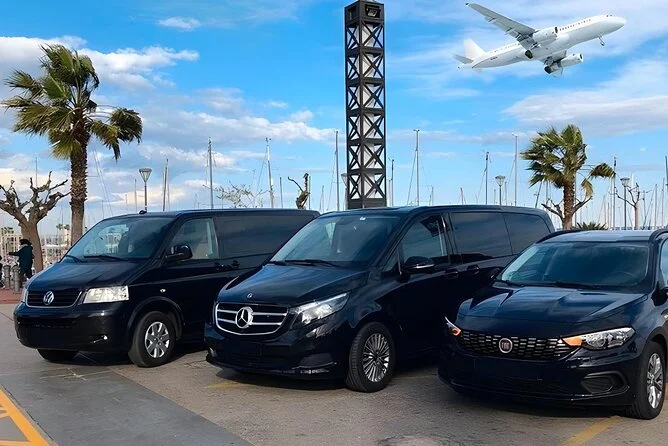
Ultimately, the choice between pre-booking and on-arrival transportation depends on individual preferences regarding cost, convenience, and flexibility.
Essential Transportation Safety for American Travelers
Traveling in Morocco can be an exhilarating experience, but it’s essential to prioritize transportation safety. As you navigate the vibrant cities and stunning landscapes, being aware of potential risks and taking necessary precautions can make all the difference.
Avoiding Common Transportation Scams
One of the key concerns for travelers is avoiding scams. Be cautious of unofficial taxis and always agree on the fare before you start your journey. It’s also a good idea to use reputable taxi services or ride-sharing apps when possible. As one travel expert notes, “Using licensed taxis or pre-arranged transfers can significantly reduce the risk of scams.”
Solo Traveler Safety Considerations
Solo travelers should take extra precautions when using transportation in Morocco. Staying informed about local conditions and keeping your hotel or accommodation informed of your travel plans can enhance your safety. Additionally, consider using transportation services that are recommended for solo travelers.
Managing Luggage Security During Transfers
Keeping your luggage secure is vital. Use luggage with robust locks and keep it in sight, especially in crowded areas like bus stations or airports. When using porters, ensure you tip them fairly for their service, as this can help avoid any disputes.
By being aware of these safety considerations and taking proactive steps, American travelers can enjoy a safer and more enjoyable experience in Morocco.
Navigating Public Transportation in Moroccan Cities
From taxis to trams, understanding Morocco’s public transportation is key to a smooth journey. Moroccan cities offer a diverse range of options for getting around, each with its own advantages.
Understanding Petit Taxis vs. Grand Taxis
In Moroccan cities, you’ll encounter two types of taxis: Petit Taxis and Grand Taxis. Petit Taxis are metered and operate within city limits, while Grand Taxis are used for longer, inter-city journeys or when you need a vehicle for the day. When using Petit Taxis, ensure the meter is running to avoid any disputes over fares.
City Buses, Trams, and Metro Options
Many Moroccan cities have efficient bus and tram systems. For instance, Rabat and Casablanca have modern tram networks, while Marrakech relies heavily on buses. These options are not only affordable but also offer a local experience.
Ride-Sharing Apps and Services in Morocco
Ride-sharing has become increasingly popular in Moroccan cities. Apps like Careem and local services offer convenient alternatives to traditional taxis. When using these services, be sure to check the driver’s details and the vehicle’s information before you start your journey.
Negotiating Fares and Routes
When using Grand Taxis or ride-sharing services, it’s essential to negotiate the fare or route beforehand. This helps avoid misunderstandings and ensures a smooth trip. Always agree on the price or use the meter for Petit Taxis.
By understanding these public transportation options, you’ll be better equipped to navigate Moroccan cities with confidence.
Intercity Travel Options Across Morocco
Morocco offers a range of intercity travel choices, making it easy to explore its diverse landscapes. Whether you’re traveling between bustling cities or to more remote areas, understanding the available options can enhance your journey.
Morocco’s Train Network (ONCF): Routes and Tickets
Morocco’s train network, operated by ONCF, is a convenient and relatively fast way to travel between major cities. The network connects key destinations such as Marrakech, Rabat, Fez, and Tangier.
- Efficient Routes: Trains run frequently between major cities, offering a comfortable travel experience.
- Ticket Options: Tickets can be booked online or at train stations, with options for different classes of service.
First Class vs. Standard Train Travel
When traveling by train, you can choose between First Class and Standard Class. First Class offers more spacious seating and additional amenities, making it ideal for longer journeys or those seeking extra comfort.
Long-Distance Bus Companies: CTM and Supratours
For those on a budget or traveling to more rural areas, long-distance bus companies like CTM and Supratours offer affordable and extensive route networks.
- CTM: Known for its reliability and comfort, CTM buses connect major cities and towns.
- Supratours: Offers routes to more remote destinations, often in conjunction with train services.
Shared Grand Taxis for Intercity Travel
Shared Grand Taxis are another option for intercity travel, particularly for shorter distances or when traveling with a group. They can be more flexible than public transport and are often found at designated taxi stations.
By understanding these intercity travel options, you can better plan your trip across Morocco, choosing the methods that best suit your itinerary and preferences.
Private Transfers and Car Services in Morocco
Private transfers and car services offer a convenient way to navigate Morocco’s complex transportation network. Whether you’re traveling for business or leisure, these services can significantly enhance your travel experience.
When to Choose Private Transportation
Opting for private transportation is particularly beneficial when traveling with a group or a lot of luggage. It’s also a good choice for those who prefer a more personalized experience or are traveling to remote areas where public transport is limited.
- Traveling with a large group or family
- Carrying significant amounts of luggage
- Visiting remote or less accessible areas
- Preferring a more personalized and comfortable journey
Finding and Vetting Reliable Private Drivers
To ensure a smooth and safe journey, it’s crucial to find a reliable private driver. Look for drivers or companies with good reviews and recommendations. It’s also wise to check if they are licensed and insured.
Key considerations when vetting private drivers:
- Check online reviews and ask for referrals
- Verify licenses and insurance
- Discuss and agree on the itinerary and costs upfront
Day Rates vs. Trip Rates: What to Expect
Private car services in Morocco may offer either day rates or trip rates. Understanding these can help you budget more effectively.
Day rates typically cover a full day’s use of the vehicle, usually with a capped number of hours or kilometers. Trip rates, on the other hand, are charged based on the specific journey from one point to another.
| Service Type | Description | Typical Cost Range |
|---|---|---|
| Day Rate | Full day vehicle use | $150-$300 |
| Trip Rate | Point-to-point journey | $50-$150 |
By understanding your options and choosing the right service for your needs, you can enjoy a hassle-free and enjoyable journey through Morocco.
Renting a Car in Morocco: Practical Advice
For many visitors, renting a car in Morocco is the key to unlocking the country’s hidden gems and experiencing its vibrant culture firsthand. Morocco’s diverse terrain, ranging from the Atlas Mountains to the Sahara Desert, makes having a vehicle an invaluable asset for travelers seeking to explore beyond the main tourist hubs.
International Driving Permits and Requirements
Before renting a car, it’s essential to understand the requirements for driving in Morocco. Visitors from most countries need a valid driver’s license and an International Driving Permit (IDP). The IDP is a translation of your driver’s license into multiple languages and is required for renting a car and in case of a traffic stop.
- Ensure your driver’s license is valid for at least six months beyond your planned departure date from Morocco.
- Obtain an IDP before arriving in Morocco, as it’s not always available locally.
- Some rental companies may have additional requirements, so it’s wise to check with them in advance.
Navigating Moroccan Roads, Signs, and Traffic
Moroccan roads vary significantly, from modern highways to narrower, more challenging rural routes. Understanding the local traffic rules and road signs is crucial for a safe and enjoyable driving experience.
Key considerations include:
- Beware of aggressive driving habits in urban areas.
- Be prepared for variable road conditions, especially in rural areas.
- Understand that some road signs may be in Arabic or French, in addition to Latin script.
Mountain and Desert Driving Considerations
For those planning to venture into Morocco’s mountains or deserts, additional precautions are necessary. These regions present unique challenges, including steep mountain roads and extreme desert conditions.
Insurance and Roadside Assistance Options
When renting a car, consider the insurance options and roadside assistance provided by the rental company. Comprehensive insurance that includes coverage for theft, damage, and medical expenses is highly recommended.
Roadside assistance can be a lifesaver in case of breakdowns or accidents, especially in remote areas with limited connectivity.
Desert and Mountain Specialized Transportation
Morocco’s varied terrain, from the Sahara Desert to the Atlas Mountains, presents unique transportation challenges. Traveling through these regions requires careful planning and the right transportation options.
Sahara Desert Transfer Options
The Sahara Desert, with its vast expanses of sand dunes, demands specialized transportation. Options include camel treks for a traditional desert experience, 4×4 vehicles for traversing rugged terrain, and guided tours that offer comprehensive desert exploration.
Atlas Mountains Transportation Challenges
The Atlas Mountains pose their own set of challenges, including steep roads and remote villages. Transportation options here include 4×4 vehicles capable of handling mountainous terrain, local guides familiar with the mountain paths, and mountain taxis for shorter distances.
Guided Tours vs. Independent Travel in Remote Areas
| Aspect | Guided Tours | Independent Travel |
|---|---|---|
| Expertise | Local guides with in-depth knowledge | Self-navigation with potential for getting lost |
| Safety | Enhanced safety with guides | Higher risk in remote areas |
| Flexibility | Pre-planned itineraries | Flexible planning and changes |
When traveling through Morocco’s desert and mountain regions, choosing the right transportation is crucial. Whether opting for guided tours or independent travel, understanding the local terrain and available transportation options can make a significant difference in the quality of your travel experience.
Regional-Specific Morocco Transfer Tips
As travelers explore Morocco, adapting to the regional transportation options becomes essential for a seamless journey. Morocco’s diverse regions offer unique transportation challenges and opportunities, requiring travelers to be informed about the best ways to navigate each area.
Navigating the Northern Cities: Tangier, Chefchaouen, Tetouan
The northern cities of Morocco, including Tangier, Chefchaouen, and Tetouan, have their own transportation characteristics. Tangier, being a major port city, has a well-developed public transportation system, including petit taxis and buses. For travelers heading to Chefchaouen, known for its picturesque location in the Rif Mountains, planning ahead is crucial as the roads can be winding and challenging.
Central Morocco: Fes, Meknes, and Rabat Transportation
Central Morocco, home to historic cities like Fes and Meknes, as well as the capital Rabat, offers a mix of traditional and modern transportation options. Fes, with its ancient medina, is best explored on foot or by using local petit taxis. Meknes and Rabat also have efficient public transportation systems, including buses and trains connecting them to other major cities.
Southern Morocco: Marrakech, Essaouira, and Agadir Travel
Southern Morocco, with destinations like Marrakech, Essaouira, and Agadir, is a popular tourist route. Marrakech is known for its vibrant streets and markets, best navigated on foot or by taxi. Essaouira, a coastal town, offers a more relaxed atmosphere, with transportation options including grand taxis for group travel. Agadir, a major tourist hub, has a well-organized transportation system, including buses and taxis.
Understanding these regional transportation nuances can significantly enhance a traveler’s experience in Morocco, making the journey more enjoyable and stress-free.
Cultural Etiquette for Transportation in Morocco
Morocco’s rich cultural heritage extends to its transportation etiquette, which visitors should respect. Understanding these cultural nuances can significantly enhance your travel experience.
Appropriate Tipping for Drivers and Guides
Tipping is a customary practice in Morocco, showing appreciation for services rendered. For drivers and guides, tipping is expected. A general rule of thumb is to tip around 10-20 dirhams for taxi drivers, while tour guides may receive 50-100 dirhams per day, depending on the quality of service.
| Service Provider | Typical Tip Amount (Dirhams) |
|---|---|
| Taxi Drivers | 10-20 |
| Tour Guides (per day) | 50-100 |
Gender Considerations When Using Public Transport
Morocco is generally a safe country for solo female travelers. However, it’s advisable to dress modestly and be aware of your surroundings, especially in crowded public transport. Women may be subjected to unwanted attention, so it’s helpful to sit in a less crowded area or near families.
Communication Phrases for Smoother Travel Experiences
Learning basic Arabic phrases can go a long way in Morocco. Simple expressions like “Shukraan” (thank you) and “Afak” (please) can be very helpful. For smoother travel, it’s also beneficial to download translation apps or carry a phrasebook.
Dress Code Recommendations for Different Transport Types
For public transport, dressing modestly is recommended. This includes covering your shoulders and knees as a sign of respect. For private transfers or luxury buses, the dress code can be slightly more relaxed but still respectful.
“The way to get started is to quit talking and begin doing.” –
By being mindful of these cultural etiquette tips, travelers can enjoy a more respectful and enriching experience in Morocco.
Conclusion: Embracing the Journey Through Morocco
As you prepare for your Moroccan adventure, remember that the journey is just as important as the destination. With the right morocco travel tips and knowledge of morocco transportation, you’ll be well-equipped to navigate this vibrant country.
From the bustling streets of Marrakech to the serene landscapes of the Sahara Desert, Morocco offers a diverse array of experiences. By understanding the various transportation options available, you can make the most of your trip and create unforgettable memories.
Embracing the journey through Morocco means being open to new experiences, respecting local customs, and enjoying the ride. Whether you’re exploring the ancient medinas or taking in the breathtaking views from a mountain pass, every moment is an opportunity to immerse yourself in the beauty and culture of this captivating country.
As you embark on your journey, remember to stay flexible, be patient, and enjoy the process of discovery. With these morocco travel tips and a sense of adventure, you’re ready to make the most of your time in Morocco.